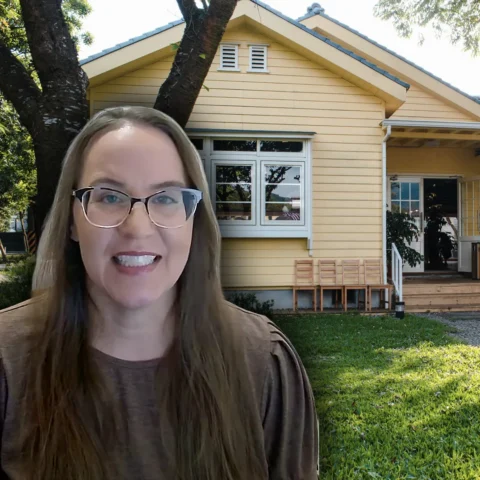

Richey May’s Inside the One Big Beautiful Bill Act video series is designed to help mortgage lenders and other industry-affiliated businesses understand what this sweeping legislation means in practice, not just in theory. Hosted by Kenny Burch, Director, Mortgage Banking Tax, the series features focused conversations with experts from Richey May’s Mortgage Banking Tax team, each examining a specific provision of the Act and its implications.
In this episode, Kenny is joined by Nichele Cooper, Senior Tax Associate, to discuss changes to information reporting thresholds under the One Big Beautiful Bill Act. While these rules may seem administrative on the surface, updates to reporting thresholds can have meaningful implications for lender compliance processes, vendor relationships, and year-end reporting obligations beginning in 2026.
Key Takeaways from the Episode
- Information reporting thresholds are increasing: Starting in calendar year 2026, the minimum dollar amount that triggers information reporting rises significantly, reducing the number of transactions that require reporting. However, this only impacts select forms, such as 1099-MISC and 1099-NEC. 1098 forms are unaffected.
- Reporting applies to cumulative payments: The threshold is not limited to single transactions. Total payments to a recipient over the course of the year must be tracked and evaluated collectively.
- Payor and recipient responsibilities differ: Even when a payment falls below the reporting threshold, recipients are still responsible for including that income on their own tax returns.
- The type of payment determines the reporting form: Different transactions require different information returns, making accurate classification just as important as tracking dollar amounts.
- The change aims to reduce administrative burden: The higher threshold is intended to streamline compliance for payors while maintaining transparency around taxable income.
These updates shift how mortgage lenders should think about information reporting—placing greater emphasis on systems, tracking, and consistency rather than sheer transaction volume.
Watch the full episode below to hear Kenny and Nichele walk through how the new information reporting thresholds work, what forms are affected, and what taxpayers should be preparing for as 2026 unfolds.
Continue the Conversation
This episode is part of the Inside the One Big Beautiful Bill Act series, which explores additional provisions shaping the mortgage banking tax landscape. Visit the series page to watch other episodes and stay current as new guidance continues to emerge.
If you have questions about information reporting thresholds or any aspect of the One Big Beautiful Bill Act that may impact your organization, the Richey May Mortgage Banking Tax team is available to help.